Memorials › Michael Jefferson Bulger
Michael Jefferson Bulger
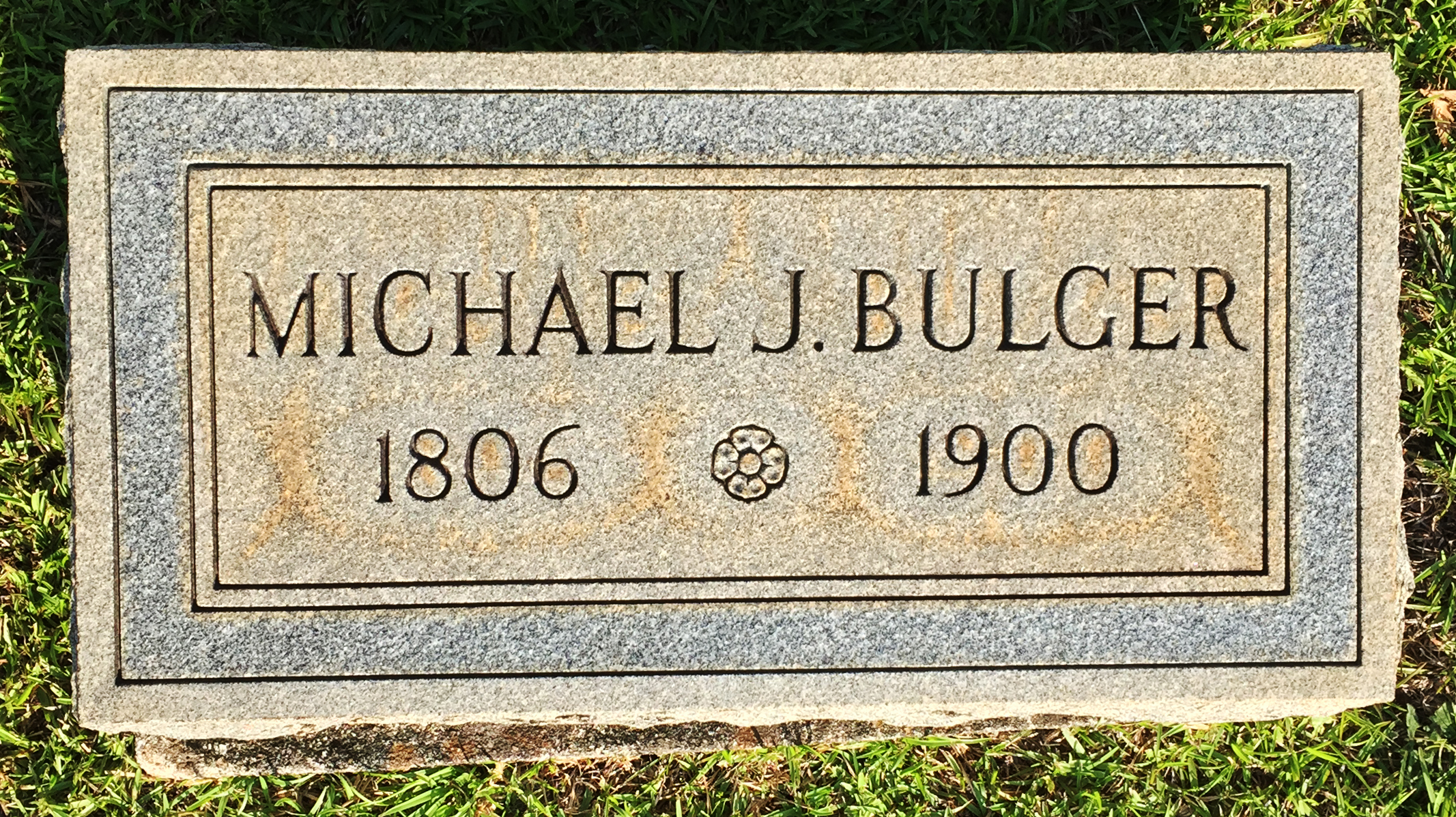
13 Feb 1806 – 14 Dec 1900
| Birth | 13 Feb 1806 |
| Death | 14 Dec 1900 |
| Cemetery | Dadeville City Cemetery Dadeville , Tallapoosa County , Alabama , USA |
| Added by | Churchwell on 25 Jan 2024 |
| FaG | https://www.findagrave.com/memorial/14387514 |
Bio
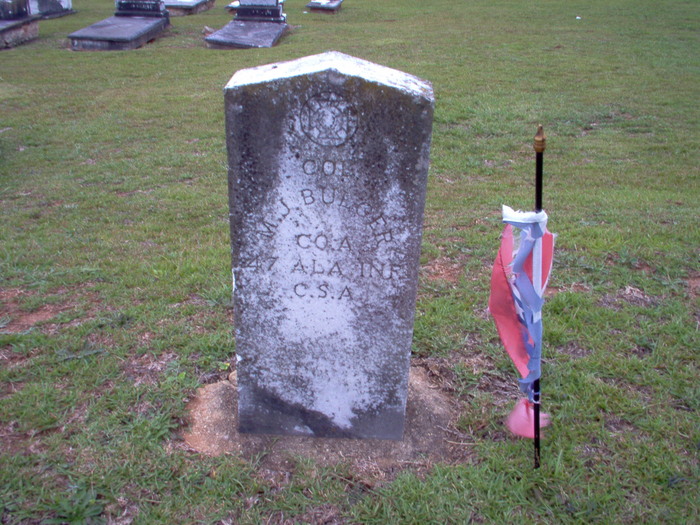
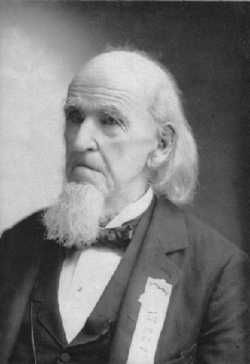
Civil War Confederate Army Officer. From a modest beginning in South Carolina, he re-located to Alabama as a young adult, and in time became prominent in this states politics and militia. With the prospect of war on the horizon in 1861, he, as a delegate to Alabama's secession convention, voted nay to the question of whether the state should break away from the United States. Regardless of his position on this issue, he aligned himself with the Confederacy after Alabama's secession, and was eventually commissioned a Captain in Company A of the 47th Alabama Infantry in March 1862. His regiment's baptism of fire came at the battle of Cedar Mountain on August 9, 1862. While in command of the 47th during this clash, he received two severe wounds that necessitated a leave of absence to restore his health, and it was during this convalesce that he was elected to represent his district in the Alabama State Senate. He returned to his duties at the grade of Lieutenant Colonel, and was present with the regiment at Gettysburg, Pennsylvania. The Confederate efforts to seize the high ground known as "Little Round Top" occurred July 2, 1863, and the elder Bulger did not lack courage during this desperate hour – the old man climbed atop a boulder and "waved his sword at the Federals while urging his Alabamians" onward. This presentation of gallantry came with a severe cost however. By standing tall on the boulder, he offered a grand target and eventually, a Union marksman fired a round that found its mark. Hit in the lung, Bulger withdrew down the hill to the safety of another boulder. There, amidst the ongoing battle, he sat himself down to await his fate, and with blood freely flowing from his mouth and nostrils, began to suffer the effects of his wound. He was a dying man. With the ultimate repulse of the Confederate forces, the wounded Bulger was left behind and was reported to have been killed while "fighting most nobly". However, a Union non-enlisted man found the Confederate officer after nightfall and demanded his surrender. Refusing on the account of the code of behavior for such matters, Bulger asked for an officer of like rank. Colonel James Clay Rice of the 44th New York Infantry soon appeared and the Confederate officer officially surrendered his sword. Colonel Rice personally instructed his men to transfer Bulger to the attention of a Federal surgeon. Later, Bulger let it be known "that the compassion shown by Rice saved his life." Conveyed to Johnson's Island near Sandusky, Ohio as a prisoner, his war was effectively over. He was exchanged in March 1864. During his tenure as a prisoner-of-war, he was promoted Colonel. The war concluded with him as a member of the Invalid Corps, and upon returning to his adoptive state of Alabama, he farmed and continued his involvement in politics.
Photos
Family
Parents
Spouse
Siblings
Children
- Rev Pierce Donald Bulger 1828–1923
- Mary Ann Bulger Shackelford 1831–1919
- Permelia T "Pamela" Bulger Banks 1835–1900
- Mrs. Caroline Tyler "Carrie" Bulger Burns 1841–1880
- LTC William Douglas Bulger 1843–1894
- Thomas LaFayette Bulger 1850–1930
Export GEDCOM
This person only · Entire connected family